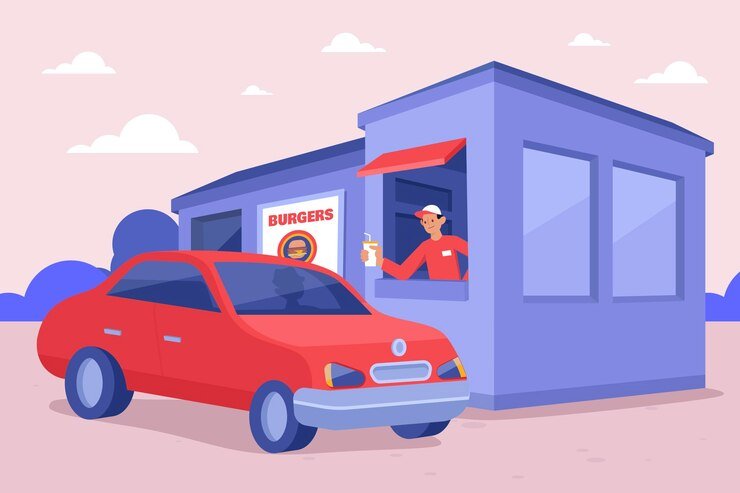
The quick-service restaurant (QSR) sector in Saudi Arabia has become one of the most visible signs of Vision 2030 in action. By 2026 the Kingdom hosts thousands of drive-thru locations — from global giants like McDonald’s, KFC, Burger King and Starbucks to fast-growing local chains in coffee, shawarma, desserts and fried chicken. Drive-thru lanes now routinely generate 60–75 % of total sales in many outlets, especially during peak hours, weekends, Ramadan evenings and after prayer times.
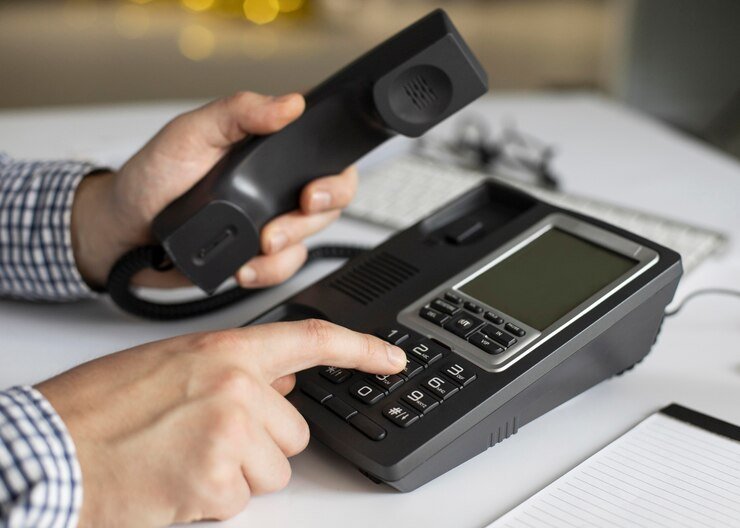
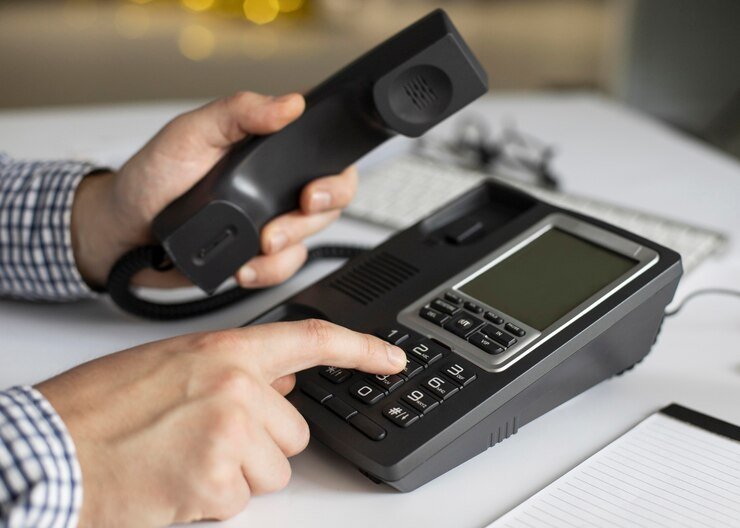
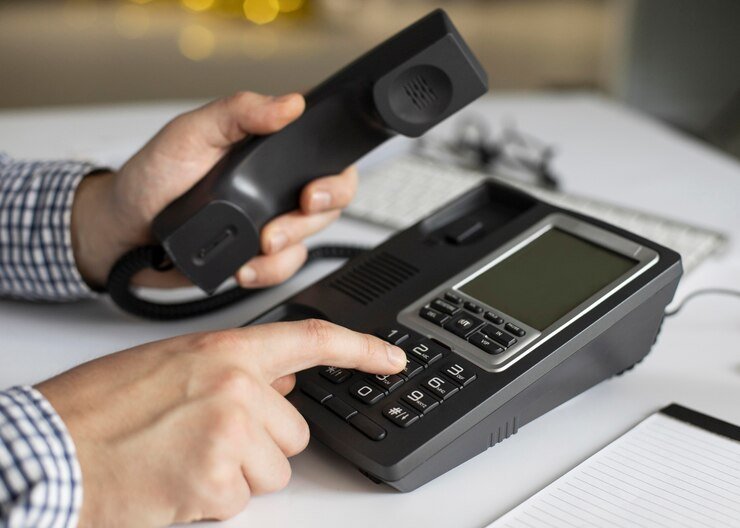
A modern Drive Thru System is no longer just a headset and speaker. It is a complete technology stack that controls speed, accuracy, upsell opportunities and customer satisfaction from the moment a car enters the lane until food is handed over.
Drive Thru System – Core Components That Actually Move the Needle
A high-performing Drive Thru System in 2026 consists of several tightly integrated layers:
- Noise-canceling wireless or wired headsets for crystal-clear order taking in noisy outdoor environments
- Order confirmation boards (OCB) — large, sunlight-readable digital screens that show the customer exactly what was entered
- Multi-stage timers that track order placement, payment, preparation and handover
- Kitchen display systems (KDS) that route orders instantly with color-coded priority and countdowns
- POS integration so orders flow automatically without manual re-entry
- Real-time analytics dashboard showing average service time, peak-hour throughput, abandonment rate, upsell success and agent performance
- Optional add-ons: AI voice ordering, mobile pre-order handoff, license-plate recognition for repeat customers
The measurable impact is consistent across Saudi chains that have upgraded:
- Order time drops by 30–55 seconds per car
- Error rate falls below 2 %
- Average ticket size rises 15–30 % through better timed upsell prompts
- Customer satisfaction scores improve 20–40 points
- Throughput increases by 20–50 cars per hour during peaks
In high-traffic locations (Riyadh Season venues, Jeddah Corniche, Dammam waterfront, Makkah road stops) these gains translate directly into millions of additional riyals per year.
Drive Thru System in Saudi Arabia – Built for the Kingdom’s Unique Environment
Saudi drive-thrus face conditions that many global systems are not designed for.
Critical adaptation needs:
- Outdoor equipment must withstand 45–50 °C heat, direct sunlight and dust storms
- Peak surges during prayer times, iftar, suhoor, weekends and holidays require systems that scale without crashing
- Bilingual operation (Arabic primary, English secondary) on boards, voice prompts and notifications
- Integration with local payment methods (Mada, STC Pay, Apple Pay, Sadad) and apps (Tawakkalna, HungerStation, Jahez)
- Compliance with SFDA food-safety rules and NCA cybersecurity standards
- Support for dual/triple lanes and dedicated delivery/handover bays
The most successful deployments in Saudi Arabia combine ruggedized hardware, cloud redundancy, Arabic-first interfaces and local support teams that can respond within hours — not days.
Chains that invested early in properly adapted Drive Thru System in Saudi Arabia have seen the fastest throughput growth and highest customer loyalty scores in the region.
The NextGen Technologies – A Leading Force in Saudi Drive-Thru Systems
Among the companies enabling this transformation, The NextGen Technologies (thenextgentechnologies.com) has become one of the most trusted names for complete drive-thru solutions in the Kingdom.
Why they are frequently the first call for QSR operators:
- Specialised Android-based drive-thru and queue-management platform
- Full end-to-end supply: noise-canceling headsets, digital OCBs, timers, KDS integration, POS links, analytics
- Proven experience in Saudi-specific adaptations (heat-resistant hardware, Arabic interfaces, Tawakkalna compatibility)
- Local technical teams in Riyadh, Jeddah and Eastern Province for fast installation and support
- Measurable client results: 30–50 % faster service, 20–35 % revenue uplift from upsell, dramatically lower error rates
- Scalable from single-outlet upgrades to nationwide chain rollouts
- Transparent pricing and phased implementation (start basic, expand later)
Many operators who began with basic analog systems have migrated to full NextGen platforms because the system grows with the business and the support remains responsive even after go-live.
Conclusion
The Drive Thru System has evolved from a simple speaker to a sophisticated revenue and satisfaction engine. In Saudi Arabia — where convenience, speed and hospitality expectations are extremely high — a well-designed, locally adapted system is now a core competitive advantage.
The NextGen Technologies has earned its place as a top provider by delivering reliable, scalable and Kingdom-tailored drive-thru solutions that help QSR brands meet the demands of 2026 customers.
Whether you run a single high-traffic outlet or a nationwide chain, the right drive-thru technology can turn waiting cars into loyal, high-value customers.
5 Most Frequently Asked Questions About Drive Thru Systems in Saudi Arabia
1. What is included in a complete Drive Thru System?
Headsets (noise-canceling), digital order confirmation boards, multi-stage timers, kitchen display integration, POS connection, analytics dashboard and optional AI voice ordering.
2. Why do Saudi drive-thrus need special adaptations?
Extreme heat, dust, high peak volumes during prayer times/Ramadan, bilingual (Arabic/English) requirements and integration with Tawakkalna/STC Pay demand rugged, localised systems.
3. How much can a good Drive Thru System improve sales?
Most operators see 15–35 % increase in average ticket size (better upsell) and 20–50 more cars per hour during peaks after optimisation.
4. Does The NextGen Technologies support locations outside Riyadh?
Yes — they have coverage and partners for Jeddah, Dammam, Madinah, Makkah and other major cities with fast response times.
5. How long until a new Drive Thru System starts showing ROI?
Typically 4–12 weeks — faster service and higher upsell revenue often cover the investment within the first 2–4 months.